Help David find a living kidney donor.
A living donor could change — and save — his life.
David Arnsdorff has spent his life serving others. Now, a community of people willing to learn, share, and consider donation could help him move forward.
An inquiry is not a commitment. Donor eligibility is determined by medical professionals.
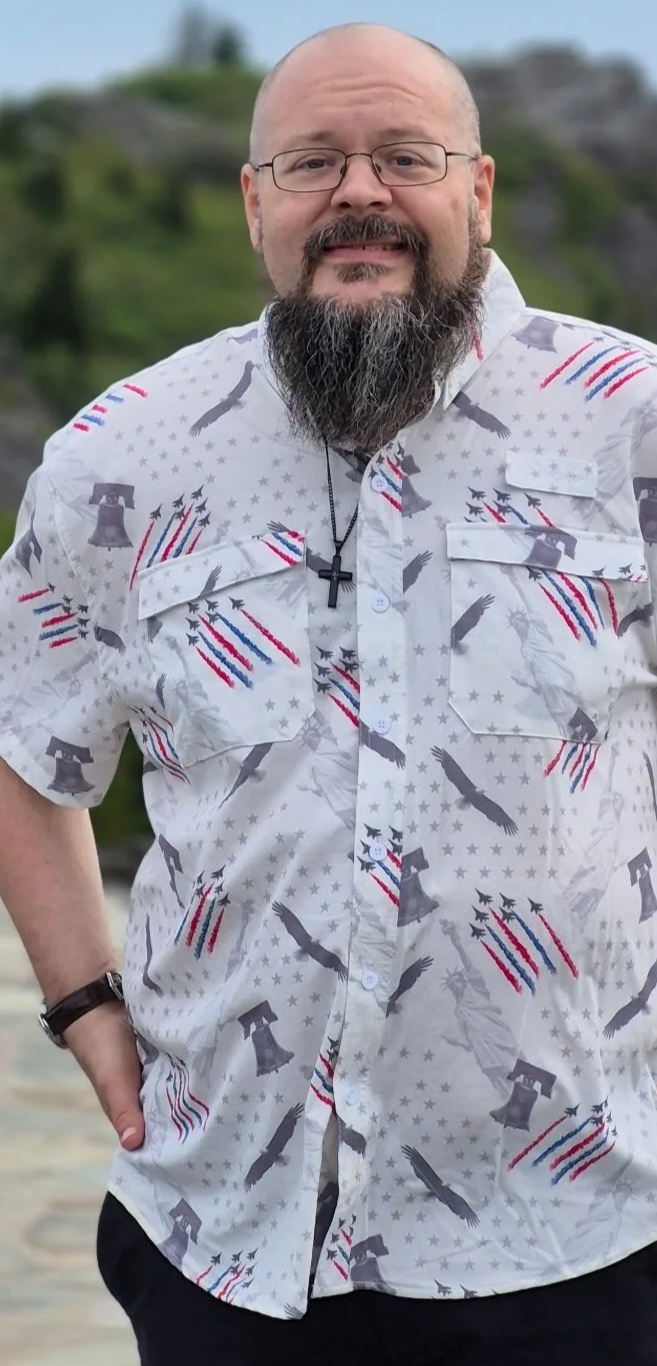
A life centered on others.
David’s story is about faith, service, and the hope of having more time to do what he loves.
Compassion in action.
David has dedicated his life to people experiencing homelessness, those in prison, and others who are often forgotten. His Christian faith motivates his desire to share the love and compassion of Jesus Christ.
Contact David ↗A donor could help.
David is in his 40s and urgently needs a kidney transplant. His Type O blood can make a compatible match particularly challenging. An unrelated donor may be able to help directly or through paired donation.
Explore the possibilities ↓More life ahead.
David was accepted into Charis Bible College in Woodland Park, Colorado. His health challenges put that dream on hold. A transplant could open the door to continuing his education, ministry, and service.
Help share his story ↓Not related?
Not Type O?
Still worth exploring.
A potential donor does not need to be a family member. A medically eligible Type O donor may be compatible for direct donation to David, but blood type is only one part of the evaluation.
A person with another blood type may be able to help through paired kidney donation. The transplant team can explain the options.
A different match.
The same desire to help.
compatible recipient
kidney to David
An exchange can connect two donor–recipient pairs, or include more pairs in a chain. It is coordinated by transplant professionals.
What still needs to happen?
Both donors and recipients must meet program requirements. Donors undergo a medical and psychosocial evaluation, and compatible matches must be found. Participation does not guarantee a match or a transplant.
From a question to an informed decision.
Start a conversation.
A prospective donor can email the living donation team and mention David Arnsdorff. The team explains initial screening and how medical information can be provided securely.
Get evaluated.
Medical history, kidney function, blood and urine tests, imaging, compatibility testing, and psychosocial assessment help the team determine eligibility.
Consider the options.
The donor team and an independent living donor advocate explain risks, recovery, and practical considerations. Paired donation may be an option when direct donation is not possible.
Choose freely.
Donation is voluntary. A prospective donor may stop the process at any time. An inquiry does not commit anyone to testing, surgery, or donation.
Atrium Health Wake Forest Baptist’s living donation team.
Clarity before
commitment.
Living donation is a personal decision. These answers offer a starting point; the donor team can explain each person’s situation.
Read the official donor guide ↗Does a donor need to be related to David?
Does a donor need Type O blood?
How does paired donation work?
An approved donor gives to another compatible recipient, while David receives a compatible kidney from a different donor. The transplant team coordinates the exchange; a match is not guaranteed.
Can a person live well with one kidney?
What kinds of risks are discussed?
The team discusses surgical risks such as bleeding, infection, and blood clots, as well as longer-term risks such as high blood pressure and kidney health concerns. Individual circumstances can affect risk.
What does recovery involve?
What about costs and time away from work?
How can someone find out whether they qualify?

You could make a difference in David’s life.
David welcomes questions and messages from people considering donation or helping share his story.
Davidarnsdorff@zoho.com